

Educational Design
From a learning objective to a session, course or interactive activity that learners can actually use.
A good teaching resource does more than present information. It gives learners something purposeful to do, makes complex material approachable and creates opportunities to practise, discuss or demonstrate understanding.
SCE Consultants can support the educational thinking as well as the digital production: defining learning outcomes, choosing activities, building accessible resources and planning how learners will receive feedback.
What can I help you design?
- Teaching sessions and seminars: turning a topic into a structured sequence of explanation, inquiry, discussion and application.
- Online and blended courses: organising content, tasks and feedback around realistic learner needs.
- Cases and scenarios: giving students decisions to make and evidence to interpret rather than only information to memorise.
- Interactive activities: quizzes, matching tasks, simulations, virtual walkthroughs, role-play and evidence boards.
- Assessment and feedback: aligning an activity with what students should learn and how they can show it.
- Digital teaching materials: presentations, video, explainers, handouts and supporting resources developed for use in class or online.
Examples you can explore
The examples below are working formats, not fixed lesson plans. They can be adapted to different subjects, audiences and educational settings.

Activity design
Learning Tool Catalogue
Demonstrations of different teaching formats, with notes to help educators adapt them to their own subject and audience.
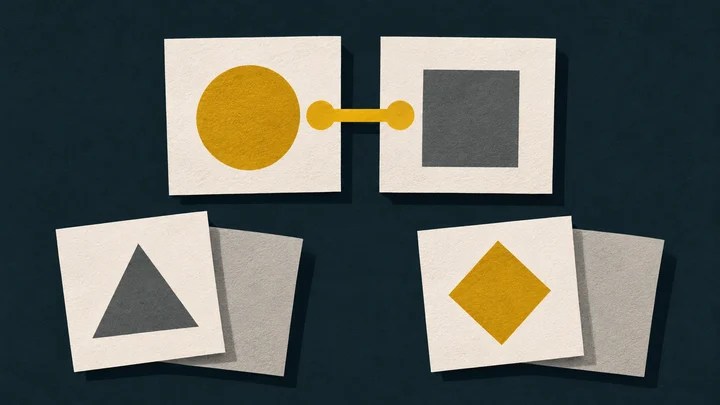
Planning resource
Teaching Activity Library
A practical list of 72 approaches to learning, from investigation and collaboration to practice and production.
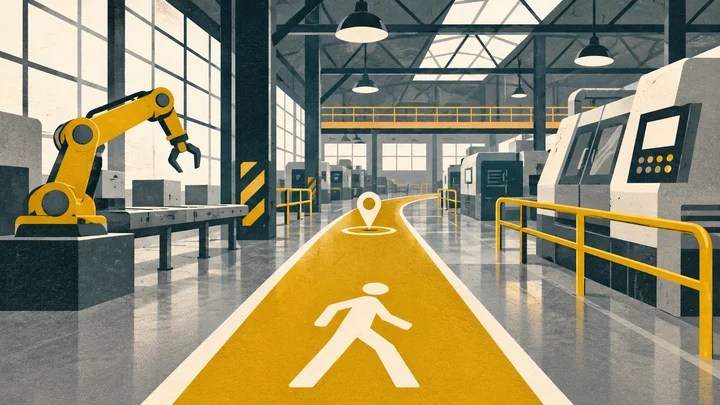
Immersive scenario
Virtual workplace visit
A simulated workplace environment in which students can explore, observe and discuss what they find.
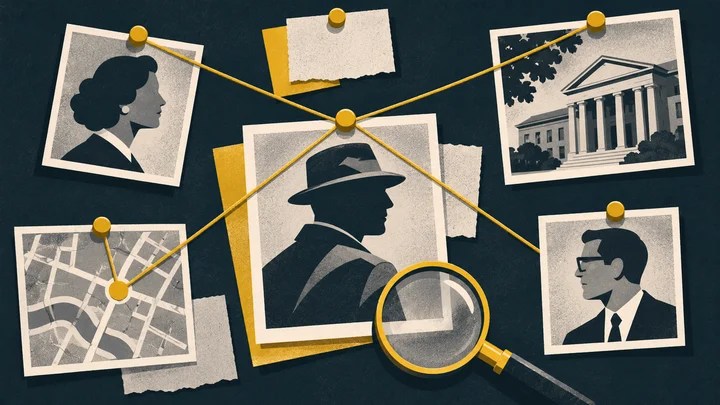
Critical analysis
Evidence reconstruction
An activity that invites learners to examine incomplete information, compare sources and construct defensible conclusions.

Discussion and reflection
Video simulations
Illustrated interactions that give groups a way to examine communication and alternative responses.

Learning resources
Historical school engagement
Public history, original materials and interdisciplinary learning resources developed for school engagement.
How I approach educational design
- 1. Establish the purpose. What should learners be able to explain, do or decide by the end?
- 2. Understand the learners. Consider prior knowledge, accessibility, group size, available time and delivery mode.
- 3. Select the method. Choose activities that support the learning outcome, rather than adding interaction for its own sake.
- 4. Build and test. Develop the materials, check how the task works and revise from user or tutor feedback.
- 5. Support delivery. Provide facilitators with clear instructions, suggested timing and useful prompts.
Who is this for?
University lecturers, schools, professional education providers, training teams, conference organisers, research groups and anyone developing educational resources for a defined audience.
Need the artwork, recording or interactive tool as well? See Digital Content Design and Video and Audio Editing. For other examples across research, heritage and public engagement, browse the selected-work portfolio.
Want to discuss a project?
Share what you want to achieve, who the work is for and what you already have. We can discuss the scope, delivery options and practical next steps.

